20 October 2026 · 2 min read
The first scan is the one that matters most
Why the baseline scan decides whether you can ever show a patient what a treatment achieved — and how to take one you can repeat.
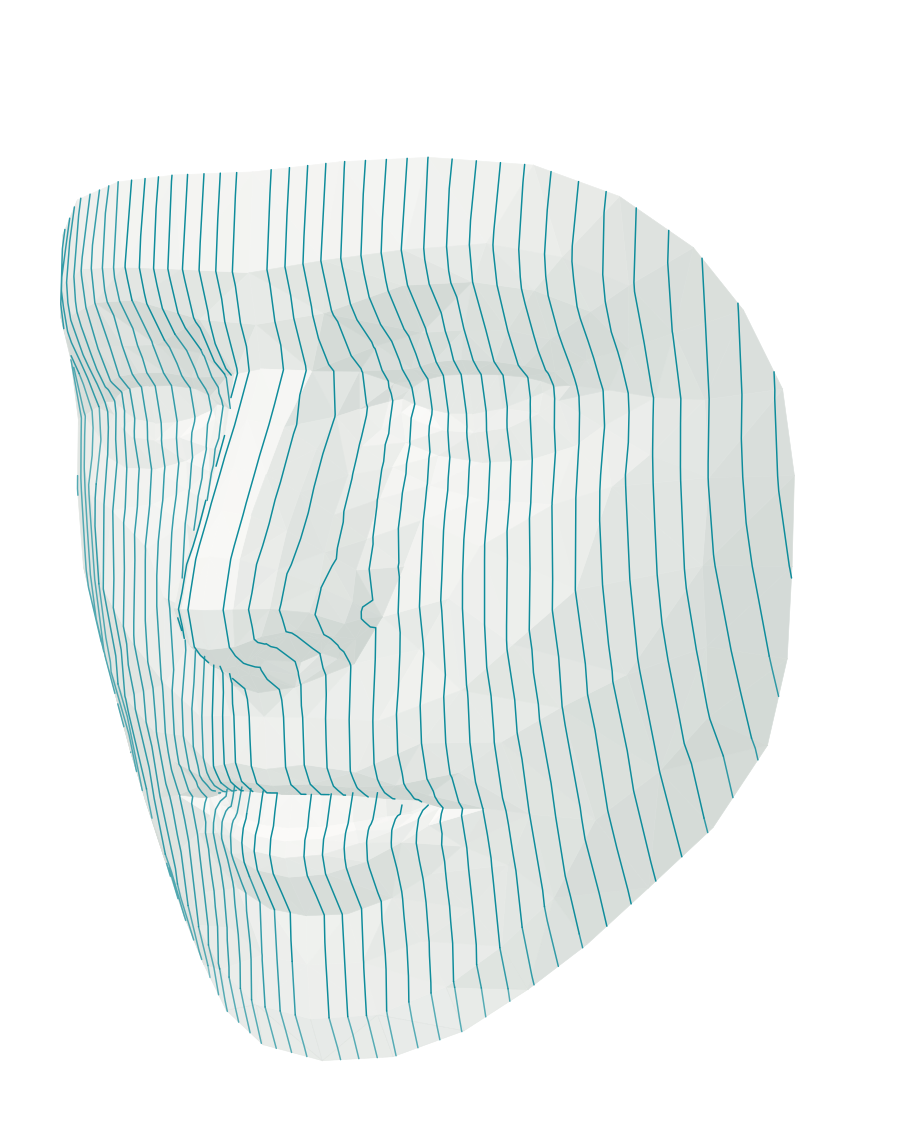
Every comparison you will ever make for a patient is a comparison with their first scan. That makes the baseline the most important photo in the record — and the easiest one to get wrong, because at the time it is taken nothing has happened yet.
What the baseline is for
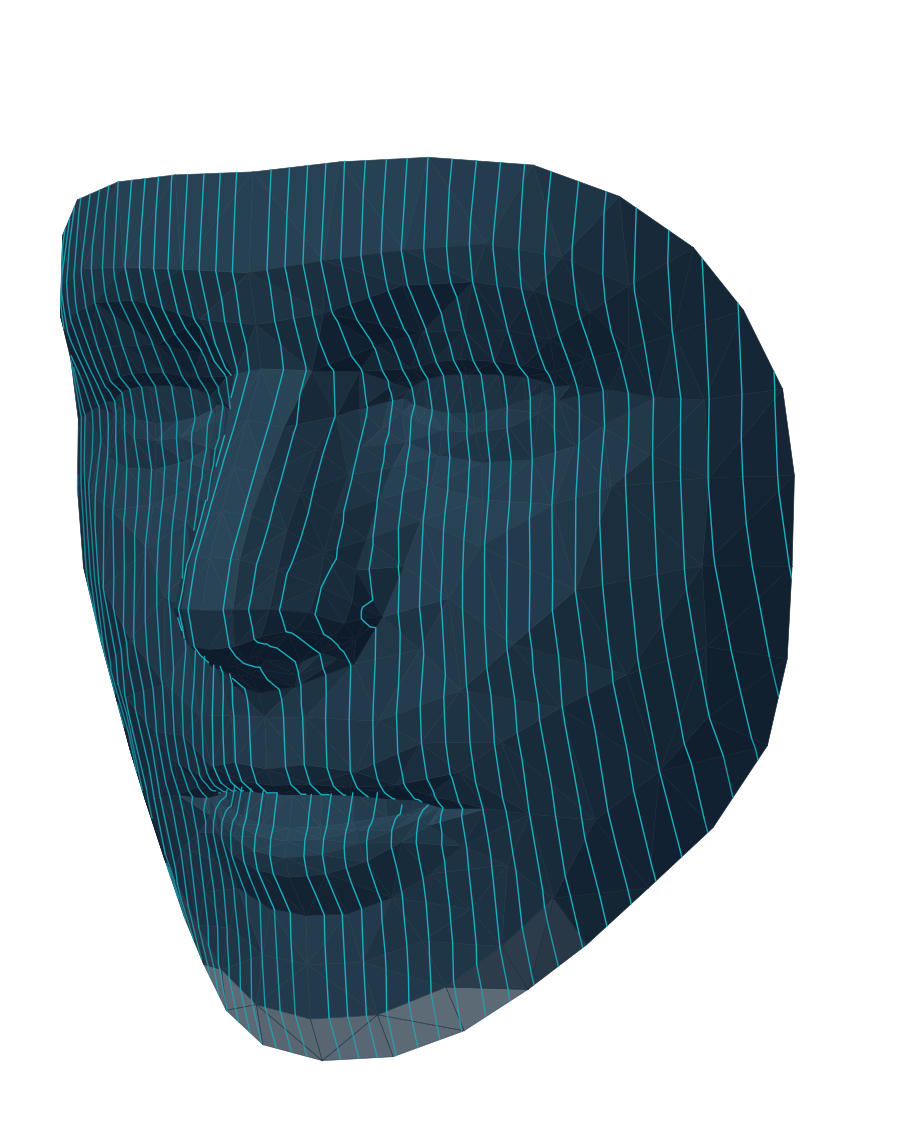
In Caarisma MED a patient’s first scan is the reference every later scan is measured against. When you rescan after a treatment, the indices are lined up against it and the change becomes visible: for the patient in front of you, and — once enough patients have a repeat scan — across your practice.
If the baseline was taken in a different room, under different light or at a different distance, part of the “change” you see later is the photo, not the treatment.
Take it before anything else
Take the baseline before any treatment, in the same consultation in which you discuss the plan. A scan taken after a first session is not a baseline; it is already a follow-up.
Make it reproducible
The rule is simple: same room, same light, same distance.
- Place the patient in front of a plain background, facing the camera straight on.
- Light both sides of the face evenly — daylight from a window behind the camera, or two lamps either side.
- Ask for a neutral expression, mouth closed, hair away from the face.
- Avoid glasses, hats, heavy make-up and filters.
The Caarisma MED Scan iOS app does much of this for you: it checks distance, position and expression before it captures, so follow-up scans line up with the first one.
Book the follow-up with the treatment
Results usually settle after two to four weeks. Book the follow-up scan when you book the treatment, so it is not forgotten — and take it under the same conditions as the baseline.
A baseline is a promise to your patient that you will be able to show them what changed.